Nashville Airbnb Operations Playbook: Turnovers & Pricing
A Nashville short-term rental operations guide for spring 2026: permits, pricing, turnovers, guest messaging, and neighborhood tactics, built by top Airbnb.
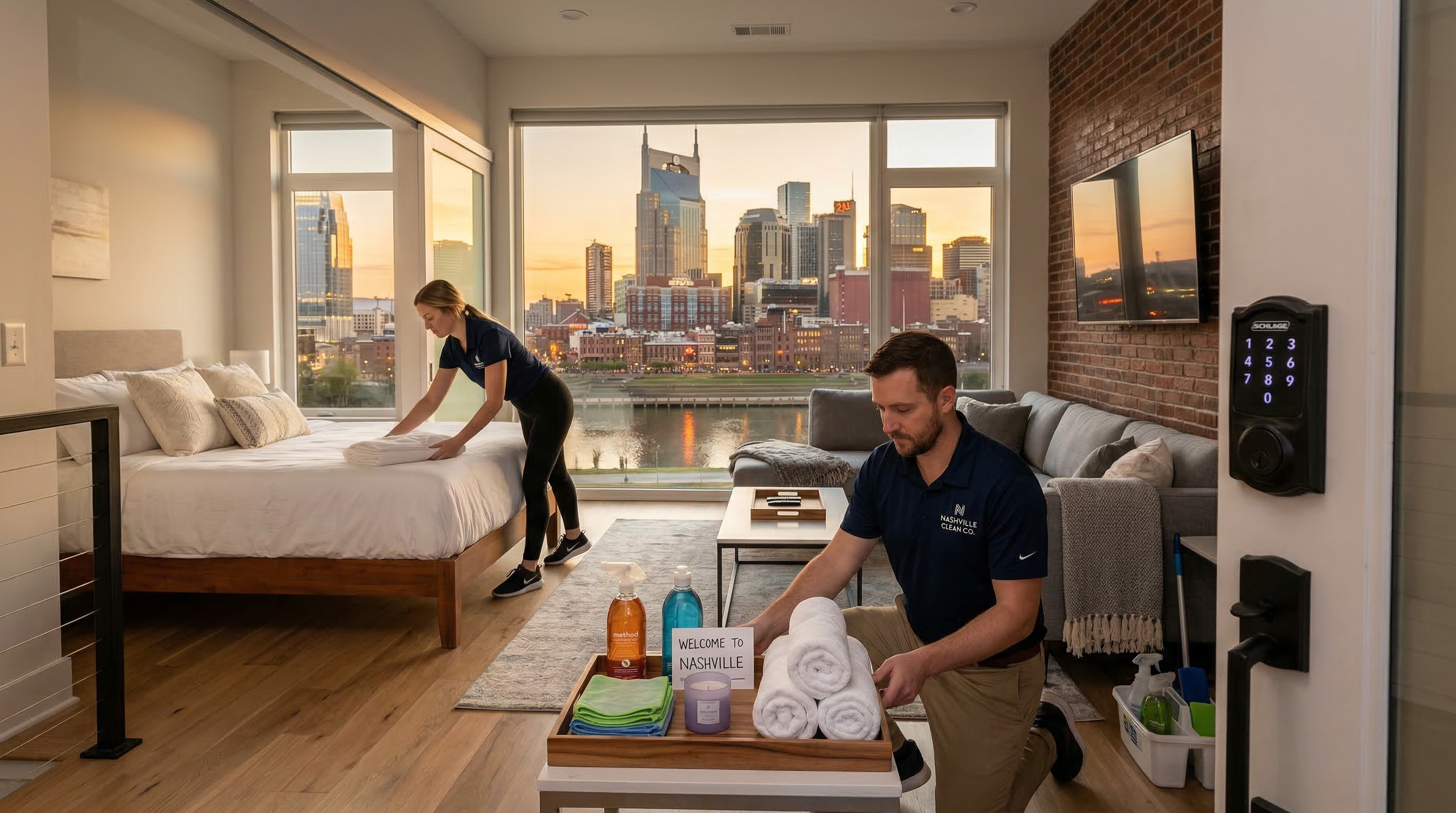
It’s mid-March 2026. Spring break groups are landing, Bridgestone’s event calendar is busy, MLS is underway, and June’s CMA Fest bookings are locking in. If you’re serious about Nashville short-term rental operations right now, tight systems around permits, pricing, turnovers, and guest messaging will decide whether you beat the comps, or chase them.
We manage across East Nashville, Germantown, The Nations, The Gulch, 12 South, Sylvan Park, Wedgewood-Houston, Downtown, Donelson, Madison, and Antioch. The tactics below are what we use daily at Misfit Homes to protect permits, drive RevPAR, and hold 5-star standards.
Quick Take
- Lock compliance first: pick the correct Metro Nashville Airbnb permit type, post your number on listings, and bake noise/parking rules into guest comms.
- Schedule turnovers for March-June surges with 3x linen par levels and photo-based QC to avoid re-cleans and refunds.
- Use dynamic pricing that reacts to weekends, bachelorettes, Preds/MLS/Titans games, and CMA Fest, with smart minimum stays and orphan-night captures.
- Tune messaging for Nashville: automated pre-trip parking/trash instructions and fast triage for music-venue late check-ins.
- Run neighborhood playbooks: what works in The Gulch isn’t what wins in The Nations or Antioch. Design, beds, and policies should match the submarket.
Nashville short-term rental operations in 2026: what demand looks like right now
From mid-March through June, Nashville demand skews toward groups, bachelorettes and spring break now, graduation and CMA Fest by early summer. Expect Friday/Saturday ADR spikes, strong Sunday shoulder demand from late checkouts, and steady midweek corporate and healthcare travelers near Downtown, Vanderbilt/West End, and the Gulch.
Target ranges we’re seeing across well-run listings (AirDNA-supported, property-dependent):
- Annual occupancy: 58 to 68% citywide; higher in Downtown/DTC and The Gulch for smaller units; 3 to 5BR homes in The Nations/East Nashville can land in the low 60s with strong weekend capture.
- Spring ADR (Mar-May): group-focused homes often clear $325, $550 on peak weekends; 1 to 2BR urban condos $180, $300 depending on amenities and walkability.
- RevPAR: high-functioning operations with event-aware pricing and tight reviews typically outperform neighborhood averages by 10 to 20%.
Seasonal watch items for March-June: set two-night minimums most weekends, push to three nights for tentpole events, and create aggressive orphan-night rules to fill Thu/Sun gaps. Keep back-to-back same-day turnovers realistic, 10am out/4pm in is standard, but pad to 5pm during CMA Fest week.
For market context and seasonality curves, cross-check Nashville’s public events calendar via Visit Music City and benchmark with AirDNA’s Nashville overview.
Keep permit numbers and renewal dates in the same operating calendar as your turnovers and inspections, so nothing lapses quietly. The rules themselves are covered in our Nashville STR permit guide.
Turnover management in Nashville: staffing, par levels, and QC that prevent refunds
Staffing and scheduling for spring surges
March-June needs redundancy. Build a bench of at least two trained cleaners per listing cluster (e.g., a Nations pod and an East Nashville pod). Publish the event calendar to your team so they expect late checkouts on Sundays and compressed timelines during festival weeks. For 3 to 5BR homes, schedule two-person crews and allocate 4 to 5 labor hours per 1,000 square feet.
Linens, consumables, and par levels
Run a 3x par for linens and towels (one on bed, one in laundry, one backup). Use white, hotel-grade sheets (60/40 cotton-poly or better) for consistent stain treatment. Stock consumables to Nashville group standards: 1 roll of TP per bathroom-night; 1 dishwasher pod per day; 1 bath towel + hand towel per guest with 20% overage; coffee, filters, tea, basic spices, and at least one local snack item for hospitality.
QC and photo-based proof
Require 12 to 20 standardized QC photos per turnover: beds, bathrooms, kitchen sink empty, oven/stove clean, fridge fronts, thermostat setpoint, exterior cameras clear, trash bins stored properly. QC checklists should include noise monitor online status and smart lock battery readings. Missed dusting rarely causes refunds; missed trash or linens do. Prioritize the guest-facing wins.
Damage triage without killing reviews
For minor issues (broken glass, missing remote), resolve same day and don’t interrupt the guest experience. For material damages, document with timestamped photos and message the guest with a calm, factual note after checkout. Nashville travelers return, an escalated argument over a $20 item is bad business.
Dynamic pricing for Nashville Airbnbs: ADR, occupancy, and event calendars
Dynamic pricing is where Nashville Airbnb operations print margin. Your rules should reflect our city’s event rhythm:
- Weekends: two-night minimums most of the year; push to three for CMA Fest (June), July 4th, and major citywides. Price Fridays 5 to 12% above Saturdays when we see heavy Friday arrivals from drive markets (Atlanta, Birmingham, Louisville).
- Midweek: hold corporate strength around Downtown/DTC, West End/Vanderbilt, and the Gulch. Sun-Thu rates can sit 25 to 40% under weekends and still outperform with occupancy.
- Bachelorettes: peak April-October across East Nashville, 12 South, and The Nations. Group-friendly homes should lean into 3+ queen beds, vanity space, and Instagrammable design to justify ADR.
- Sports and concerts: Predators (winter/spring), MLS (spring-fall), Titans (fall). Price in proximity bands, e.g., Germantown and Downtown carry the strongest lift for Bridgestone shows and stadium events.
- Orphan-night capture: build rules that auto-discount single-night gaps 15 to 25% inside 10 days. Those pickups can push annual occupancy 2 to 4 points without damaging mix.
Use a pricing engine (PriceLabs/Wheelhouse) but don’t set-and-forget. We manually override for CMA Fest, SEC/college tournaments, Vanderbilt commencements, and high-demand concert weekends flagged on Visit Music City’s calendar. Cross-check with AirDNA seasonality and your comp set’s minimum stays to prevent undercutting yourself.
Guest communication systems that drive 5-star reviews in Nashville
Fast, clear, and localized beats long, generic walls of text. Here’s the cadence we use:
- Instant confirmation: booking received with permit number, ID check instructions (if used), and a friendly reminder about Nashville quiet hours and parking rules.
- T-5 days: detailed arrival guide with driving directions that avoid Broadway congestion, smart lock code, parking map, and local tips by neighborhood (coffee, brunch, rideshare zones).
- T-24 hours: quick check-in reminder plus weather note (storms/heat) and trash/recycling days if they overlap the stay.
- Check-in +30 minutes: “Everything as expected?” message with a one-tap issue report link. Catching problems early saves ratings.
- Morning of checkout: concise checklist (trash to bin, dishes in dishwasher, lock up). Never over-burden; this is hospitality, not chores.
For Nashville specifically, we include rideshare pickup tips for Broadway weekends, a reminder that party buses can’t stage on residential streets, and a clear stance on noise monitors and exterior-only cameras. Respectful transparency keeps neighbors on your side and Metro off your back.
Neighborhood operating playbooks: East Nashville, The Gulch, The Nations, Germantown, Downtown, Donelson, Antioch
East Nashville and 12 South
Design matters here. Groups will pay for style: statement walls, vanity mirrors, backyard lounges, and king beds. Keep parking instructions crystal clear and enforce quiet hours, residential streets are sensitive. Aim for three-night minimums on peak weekends April-October and build photo spots (neon sign, mural) that convert views to bookings.
The Gulch and Downtown/DTC
Walkability sells. Midweek corporate stays fill gaps if Wi-Fi is rock-solid and desks exist. Premiums are won with hotel-level bedding, keyless entry, and fast elevator access. Price for event spikes (Bridgestone, Music City Center) and protect the unit with clear visitor limits; lobby noise complaints travel fast.
The Nations and Sylvan Park
Townhome clusters do well with multi-queen layouts and rooftop decks. Standardize garage access and note narrow alleys in pre-arrival guides. Two-night minimums work most weeks; push to three on CMA Fest and holiday weekends. QC stairs and railings regularly, high group traffic here.
Germantown and River North/East Bank
Strong demand from foodies and event-goers (Sounds games, venues). Lean into walkable restaurant recs and ensure lighting and camera coverage along townhome rows. Expect higher ADR on Thursdays for event weeks; lots of early arrivals pre-dinner.
Donelson, Madison, Antioch
Airport and family travel dominate. Win with drive-up parking, fenced yards, washers/dryers, and flexible sleeping (sofa beds with quality mattresses). Price a bit under inner-core ADRs but keep cleaning spotless, budget guests still expect hotel-level basics.
Maintenance, inventory, and AI automations that keep profit up
Profitable Airbnb operations in Nashville run a tech-forward stack:
- Smart locks with auto-generated guest codes tied to reservation windows; owner/emergency codes outside of those windows.
- Noise monitoring (Minut/Roomonitor) with threshold alerts that message the guest first, then escalate to ops if unresolved. Log alerts for any Metro complaint follow-up.
- Inventory tracking with barcoded bins for linens and consumables. Reorder points trigger at 2x par for busy months.
- Issue triage: AI routes guest messages to the right playbook, Wi-Fi fix, HVAC reset, breaker check, before a tech rolls. 30 to 50% of “emergencies” get solved remotely.
- Preventive maintenance plan: quarterly HVAC filter changes, semiannual deep cleans, annual caulk/paint touch-ups. Group-heavy markets beat up walls and stairwells, budget for it.
We track KPIs weekly: occupancy, ADR, RevPAR, average response time, incident rate (issues per 100 nights), and supply cost per stay. If incident rate creeps over 6 to 8/100 nights, dig into your comms and turnover QC before it torpedoes reviews.
Nashville Airbnb operations FAQ
- What should a Nashville turnover actually cost?
- Budget $90 to $150 per turn for a typical 2 to 3 bedroom Nashville STR, with linens and consumables on top. Rates climb for same-day back-to-back turns and for homes with more than three bathrooms. If you are paying under $80, check whether the cleaner is skipping the reset details that drive cleanliness ratings.
- What’s a good occupancy rate for Nashville short-term rental operations?
- Well-run listings in Nashville typically land 58 to 68% annually, with higher occupancy for smaller walkable units Downtown/The Gulch and solid weekend-driven results for 3 to 5BR homes in East Nashville and The Nations. Your mix, design, and review score will swing results more than almost anything else.
- How should I price for CMA Fest and major events?
- Set three-night minimums, price peak nights 40 to 120% above your average depending on proximity and property type, and protect shoulder nights with smaller discounts to encourage longer stays. Monitor comps daily the month prior, underpricing by day 10 out is common and costly.
- What do professional Airbnb management companies in Nashville actually handle?
- Full-service teams cover permitting guidance, listing optimization, dynamic pricing, guest messaging, turnovers/QC, maintenance, and tax setup coordination. The strongest operators add AI-driven automations, neighborhood-specific design advice, and data-backed forecasting to grow RevPAR.
- What are the top operational mistakes Nashville Airbnb owners make?
- Three recur constantly. No backup cleaner, so one cancellation becomes a one-star review. No vendor bench for HVAC and plumbing, so a Friday failure sits until Monday. And no par levels on linens, so turnovers stall waiting on laundry. All three are cheap to fix before peak season and expensive during it.
- How much does Airbnb management cost in Nashville?
- Management fees typically range from 15 to 25% of gross booking revenue for full service, with cleaning paid by the guest as a pass-through. The question isn’t just cost, it’s whether your manager’s pricing, turnovers, and reviews offset the fee through higher RevPAR and fewer refunds.
- Should I allow one-night stays in Nashville?
- Keep one-night stays off by default and only open them to capture orphan nights inside a 7 to 10 day window. That preserves operations, keeps party risk lower, and still lets you monetize unavoidable gaps.
Serious about doing this right? Schedule a short working session with a Nashville Airbnb expert, and we’ll walk your property, your zoning, and your numbers, no fluff, just an honest plan to beat your comp set.
Related: See more Nashville Airbnb insights.
Next step
If you want a risk-aware plan for permits, pricing, and operations in Nashville, I’ll walk you through it quickly and candidly.
Go deeper: Layer in the Nashville STR automation systems that turn these operating standards into self-running workflows.
For the owner-facing scope of running a Nashville rental end-to-end, see the Nashville Airbnb management playbook.