The Nashville Short-Term Rental Permit Playbook: Compliance Moves That Protect Returns
Thinking about a Nashville STR or already operating one? Here’s a no-drama playbook to navigate permits, zoning, and ongoing compliance. We break down the process, timelines, automation that lowers risk, and the investor-grade checks you need before buying or scaling.
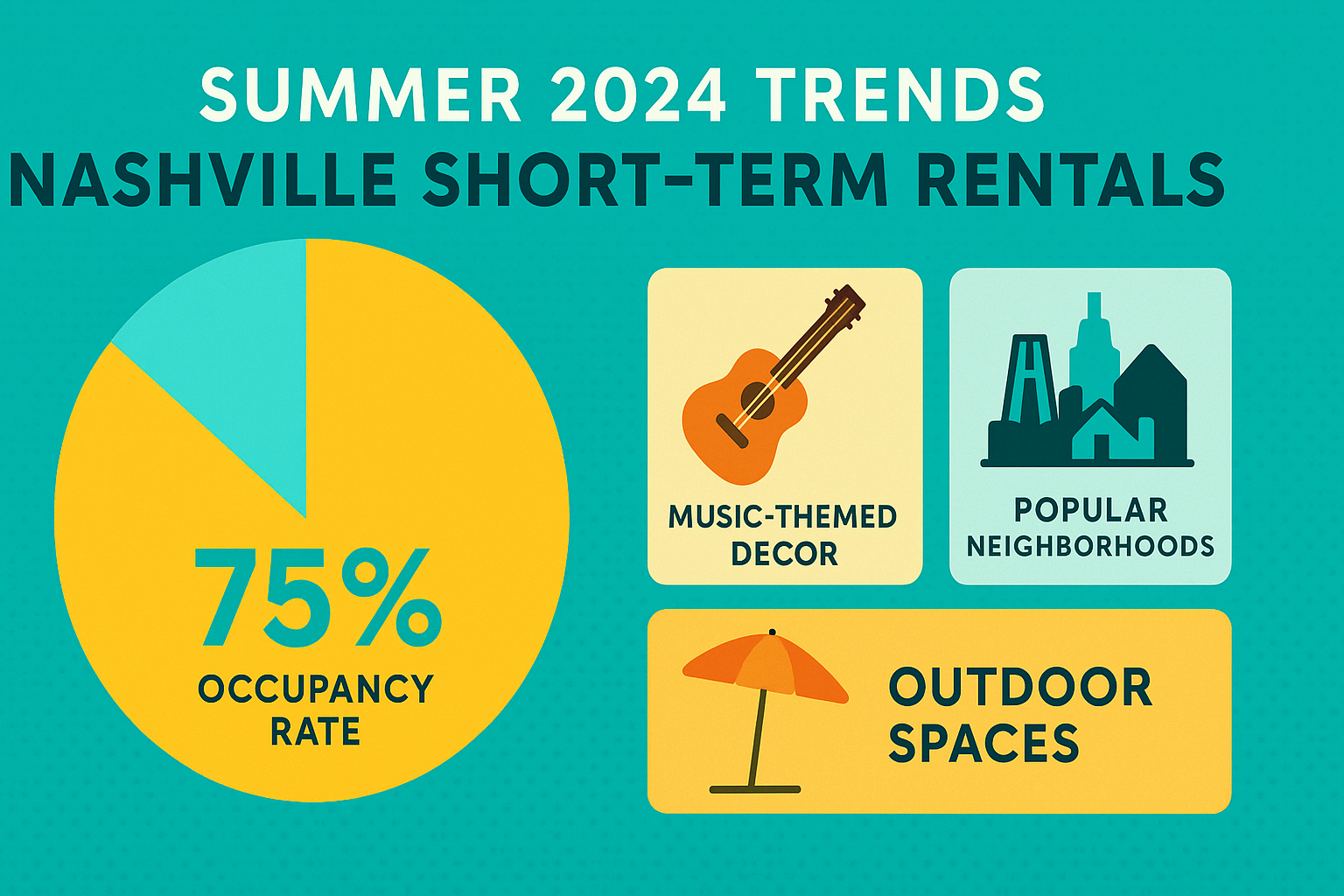
The Nashville Short-Term Rental Permit Playbook: Compliance Moves That Protect Returns
It is mid February in Nashville, which means spring demand is warming up fast. SEC basketball, touring shows, and bachelorette weekends stack into CMA Fest and summer concerts before you can blink. If you want stable yield from a short-term rental in Nashville, you need a clean, defensible path to the permit and a plan to keep it. This guide walks through Nashville short-term rental permits, the process you should expect, and the practical automation that protects revenue and time.
Quick Take
- Confirm your address has a viable permit path before you underwrite. Map zoning, overlays, HOA rules, and property type.
- Assemble a complete file the first time. Incomplete applications stall timelines and inspections.
- Build an automation stack early for smart locks, guest screening, noise monitoring, and dynamic pricing.
- Track renewals, taxes, and house rules like a business. Document everything to reduce risk.
Why Permits Matter More Than Almost Anything Else
Nashville is a high-demand leisure and event market. That cuts both ways. You can outperform with the right product, but local enforcement is active and neighbors are watching. Operating without the right approval can trigger fines, listing removals, and insurance problems. A valid short-term rental property permit, clear house rules, and consistent documentation keep you operating and protect your downside when something goes wrong.
Even for experienced investors, the biggest misses we see are not operational. They are compliance misses. The fastest route to reliable returns is to get the legal foundation right, then layer on marketing and operations.
Permit Types, Zoning Basics, and the Terms You’ll Hear
Metro Nashville uses the phrase Short Term Rental Property and you will see the acronym STRP throughout city materials. At a high level, permits are described by use and by who lives there: owner-occupied and non-owner-occupied. Where a given address sits within Nashville zoning, plus any overlays or HOA rules, influences what is possible. Details can and do change, so verify current rules directly with official sources.
Start with the city’s overview to understand definitions, forms, inspection expectations, and renewal timelines. See the official resource here: Metro Codes short-term rental information.
If you are researching, you will also run into search phrases like Airbnb permits Nashville or Nashville STR regulations. Those phrases all point back to the same thing: understand the permit category your property fits, confirm eligibility in zoning, and follow the documented process with Metro Nashville Codes.
Mapping Your Address To A Path
- Pull the parcel’s base zoning and check for any overlays that limit or ban short-term rentals.
- Confirm whether the property is a single-family home, duplex, condo, townhome, or an HPR. The form of ownership can affect eligibility.
- Check HOA or condo declarations for explicit short-term rental prohibitions or requirements.
- Decide whether the use will be owner-occupied or non-owner-occupied. Your planned use must match the application.
- Model returns for both peak weekends and shoulder weekdays. Compliance decisions impact operations, so underwrite both together.
Common Pitfalls We See
- Assuming a condo downtown is automatically eligible. Many buildings restrict transient use regardless of city rules.
- Forgetting that life-safety items are not optional. Smoke alarms, CO alarms where required, and egress must meet inspection standards.
- Listing without the permit number displayed. Platforms get compliance requests and can remove non-compliant listings.
- Equating a business tax account or a sales tax registration with a short-term rental property permit. They are different filings.
If you want more context before you get into the weeds, we keep a running set of market notes and playbooks. See more Nashville STR insights.
The Application Process In Practice
Every investor loves checklists, so here is a practical outline. Steps vary by permit category and can change, so confirm current requirements directly with Metro Nashville Codes before you file.
- Create your city permitting account and confirm the correct application for your intended use.
- Gather required documents: ID, proof of ownership, floor plan with bedrooms and egress noted, site plan, and any affidavits or notarized statements required for your category.
- If applicable to your permit type, prepare neighbor notifications or postings per city instructions.
- Submit the application, pay the fee, and track your confirmation number. Keep all receipts and time stamps.
- Prepare the property for inspection. Verify smoke alarms, fire extinguisher, address numbers, and emergency information signage.
- Attend inspection, address any corrections quickly, and upload proof if required.
- Once issued, save the digital permit, print the on-site copy if required, and display your permit number in all listings.
- Calendar your renewal date. Set a 90-day and 30-day reminder with documents ready for a smooth renewal.
Pro tip: submit a complete, organized packet the first time. It reduces back-and-forth and keeps your inspection on track.
Taxes, Licensing, and Ongoing Compliance
Getting the permit is step one. Keeping it is the job. Here are the recurring responsibilities you should price into your P&L from day one.
- Tax collection and remittance: expect a mix that can include state sales tax and local occupancy tax, plus potential business tax obligations. Set up accounts correctly and automate filing where possible.
- Listing compliance: post the permit number exactly as the city requires and keep house rules consistent with your application type.
- Guest safety: maintain fire safety gear, visible emergency info, and a clean egress path. Document with dated photos.
- Neighbor relations: publish quiet hours, monitor noise, and respond to issues quickly with a written incident log.
Remember that enforcement actions can follow the property, not just the operator. Clean records help preserve asset value if you refinance or sell.
Automation That Reduces Risk And Workload
Compliance and guest experience get easier when the basics are automated. A lean, durable stack is worth its cost just in avoided headaches.
What To Automate First
- Smart locks with unique, time-bound codes that log entries and change between stays.
- Noise monitoring devices that alert you before a complaint lands.
- Guest screening rules that flag risky reservations while staying compliant with fair housing and platform policies.
- Dynamic pricing calibrated to Nashville’s event calendar and lead times, with floors that protect rate integrity.
- Auto-scheduling for cleaning and inspections, with checklists tied to your permit type and house layout.
What Still Needs Human Eyes
- Complex guest situations, escalations, and any incident that could affect neighbors or safety.
- Annual audits of your listing content, safety equipment, tax accounts, and renewal documents.
- Product updates based on seasonality and reviews to keep the asset competitive.
If you want to go deeper into our day-to-day controls and tech, Explore how we run operations.
Seasonality And Pricing Realities In Nashville
Right now weekday demand is steady but thinner than weekends. March and April weekends accelerate with sports, conferences, and weddings. June spikes with CMA Fest, and summer brings strong leisure travel. Fall loads with Titans and Predators home games, college football weekends, and a busy event slate. Your pricing needs to anticipate these curves far ahead while holding floors to protect weekly margins.
Operational planning changes with the calendar too. Spring is a good time to refresh outdoor spaces, tune HVAC, and re-shoot listing photos. Late summer is your window to prep for fall event compression. In winter, tackle deeper maintenance to pass inspections with no drama.
Underwriting Checklist Before You Buy
- Document the permit path for the exact address, including Nashville zoning, overlays, and any HOA restrictions.
- Estimate CAPEX for life-safety, entry systems, and sound mitigation. Permits without proper hardware can stall.
- Build a conservative revenue model using comps that match bedroom count, neighborhood, and product quality.
- Price in taxes, utilities, insurance, cleaning, consumables, and tech. Do not forget renewal costs.
- Model sensitivity to rule changes and occupancy swings. Have a long-term plan for use alternatives if needed.
- Confirm parking, trash service, and neighbor adjacency. These are small things that become big things.
Neighborhood Notes and Product-Market Fit
Nashville is not one monolithic market. Downtown and The Gulch lean toward proximity and walkability premiums. Germantown and 12 South reward design-forward homes with great kitchens. East Nashville loves character and outdoor space. Midtown, Wedgewood-Houston, and The Nations thrive on groups that want quick rideshares. Match product to guest intent and your reviews will do the marketing for you.
Every submarket has unique noise and parking sensitivities. A strong guest guide, clear quiet hours, and proactive noise monitoring go a long way with neighbors and with inspectors.
How We Keep Owners Out Of Trouble
Our operating system is built around compliance first, then hospitality. We maintain permit folders with stamped documents, inspection logs, and renewal reminders. Listings carry the correct permit numbers and consistent house rules. Every home has standard safety gear, guest communication templates, and a playbook for incidents.
- Daily audits on pricing and calendar integrity
- Noise monitoring alerts with on-call response and documentation
- Guest screening rules that balance conversion and risk
- Inventory and maintenance routines tied to turnover cadence
The result is simple: fewer surprises, faster resolutions, and assets that perform across cycles.
FAQ
- What is a short-term rental property permit and why do I need one?
- It is the city’s approval to operate transient lodging at a specific address. Without it, you risk fines, enforcement actions, platform takedowns, and potential insurance issues. Treat the permit as essential infrastructure for your asset.
- Can I get a non-owner-occupied permit in a residential zone?
- Eligibility depends on Nashville zoning, overlays, and the specific address. Some areas restrict or prohibit certain permit types. Always verify with Metro Nashville Codes and review any HOA rules before you buy.
- How long does it take to get approved?
- Timelines vary with application completeness, inspection availability, and volume at the city. Complete, organized filings move faster. Build in buffer time before setting go-live dates.
- Do I need a business license for short-term rental Nashville operations?
- Expect separate tax and business account setups in addition to the STRP. Requirements change, so confirm current processes with official city and state sources and keep your registrations synced to the property’s legal name and address.
- What taxes apply to Nashville STRs?
- Expect a mix that can include state sales tax and local occupancy tax. Platforms may collect parts of these, but operators are responsible for accurate registration and remittance. Reconcile monthly and retain records.
- Do I have to post my permit number on Airbnb and VRBO?
- Yes. Nashville STR regulations require that listings display the correct permit number. Keep it consistent across platforms and update immediately after renewal.
- How are noise complaints handled?
- Use noise monitoring to detect issues early, communicate clearly with guests, and document responses. If the city or neighbors contact you, respond promptly and keep a written log of actions taken.
- Do condos downtown automatically allow STR?
- No. Many condominiums restrict transient rentals through declarations or rules even if zoning would otherwise allow a permit. Review governing documents and meeting minutes for clarity before you underwrite.
- What insurance do I need?
- Work with a carrier familiar with short-term rentals. Look for commercial general liability, contents, loss of income, and endorsements aligned with transient use. Platform protections are not a substitute for proper coverage.
Work With A Nashville Operator Who Leads With Compliance
If you want an asset that throws off steady cash while staying on the right side of the rules, we can help you map the permit path, stand up the automation, and run a guest experience that neighbors respect and guests review well.
Schedule a consult to talk through your address, timeline, and the operating model that fits your goals.