Own It Right in Nashville: Permits, Zoning, and Low-Drama STR Compliance for Serious Investors
Nashville rewards disciplined STR investors. This deep-dive shows how to play by the rules while protecting yield: permit types, zoning realities, application steps, safety and insurance must-haves, renewal traps, and the automation stack that cuts risk and workload in 2026.
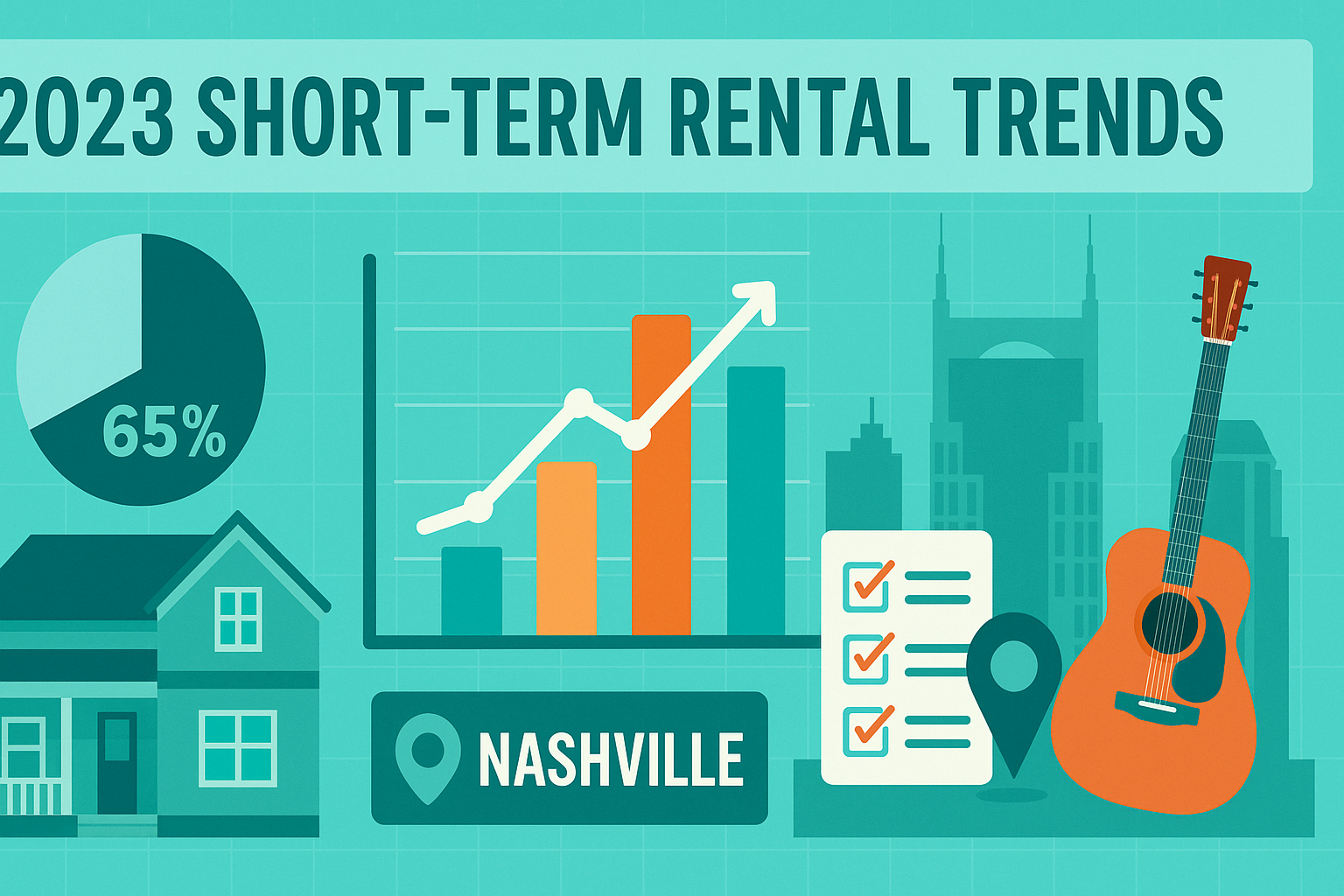
Own It Right in Nashville: Permits, Zoning, and Low-Drama STR Compliance for Serious Investors
It’s February in Nashville, which means smart operators are buttoning up compliance and dialing in spring readiness while rates are still soft. March and April pick up with concerts and conferences, then June’s CMA Fest and steady weekend demand carry us into the fall Titans and Predators seasons. If you want durable returns in this market, you need to master Nashville short term rental permits and run operations that prevent surprises.
Quick Take
- Confirm your property’s zoning compliance and choose the correct permit type before you buy furniture or list anywhere.
- Prepare a clean Nashville short term rental permit application with proof of liability insurance, life-safety devices, and a professional local contact.
- Automate permit reminders, tax remittance, guest screening, access, cleaning, and noise monitoring to reduce risk and workload.
What Nashville STR regulations 2026 actually mean for investors
Rules have matured. Enforcement has, too. Today, consistent compliance is a prerequisite for cash flow, not an afterthought. Expect sustained scrutiny on advertising without a valid permit number, parking and occupancy issues, and noisy group stays. The Metro Nashville Codes Department and the broader Metro Nashville government continue to focus on neighborhood impacts, with owner-occupied permits treated differently than non-owner-occupied permits. If you plan early and operate professionally, you can meet Nashville STR permit requirements without drama.
Permit types and where they can exist
Nashville has two core STR paths defined under Metro Code Title 17.16.070. Both require zoning compliance and documented safety. Your acquisition and operating model should be built around which lane your property qualifies for.
Owner-occupied
With owner-occupied permits, the permitted home is your primary residence and you host part-time or in a portion of the home. If this is your path, plan your listing calendar around personal use and be thoughtful about storage, locks, and guest privacy. If you’re researching how to position a residence strategically, note that the phrase owner occupied STR permit Nashville frequently appears in investor due diligence and agent listings because it carries different location and density realities.
Non-owner-occupied
Non-owner-occupied permits are for whole-home investor units where you do not reside. Since 2017, these are largely limited to certain commercial or mixed-use districts. In other words, non owner occupied STR Nashville is primarily a zoning play, not just a design and furnishing exercise. Understand both the parcel’s base zoning and any policy overlays before you underwrite a deal.
Across the city, permit caps can limit availability in specific contexts. You will also see the phrase STR permit caps Nashville used in market commentary. Treat caps and spacing rules like inventory constraints in your underwriting. They can tighten supply and help rates, but they can also block your plan if you pick the wrong address.
How to complete the Nashville short term rental permit application
Application details can evolve, so always verify the latest checklist with Metro Codes. The Metro Codes Department hosts the official instructions on the Metro Codes short-term rental page. Below is the practical investor version of the process we follow when we prepare units for clients.
- Confirm zoning compliance on the parcel and whether your strategy aligns with owner-occupied or non-owner-occupied. Document this with maps, staff guidance, or counsel notes.
- Gather required documents. At minimum plan for proof of identity or entity authorization, site and floor plans with bedroom egress details, proof of liability insurance, and a designated local responsible party.
- Life safety and habitability. Install and test smoke and CO detectors per code, place fire extinguishers, label exits, and verify address visibility. Pre-inspect for handrails, GFCIs, and other basics so you breeze through fire safety inspections.
- Prepare house rules and neighbor communications. This reduces complaints and strengthens your professionalism during review.
- Submit the Nashville short term rental permit application to the Metro Codes STR permit counter or portal as directed, pay fees, and track your file number. Keep every receipt and stamped plan.
- Complete inspections as assigned. Fix punch-list items fast and document corrections with photos and receipts.
- On approval, post the permit number on every listing and marketing channel. Train your team to decline any request that would violate occupancy, parking, or party rules.
Investors sometimes ask whether Nashville Airbnb permits are different from permits for other platforms. They’re not. You receive a short-term rental property permit from Metro that applies no matter where you advertise, under Nashville Airbnb regulations and local law. Platform settings can help you comply, but they do not replace the permit.
Automation that cuts risk and workload
Compliance is more predictable when you systemize it. Here are the core tools we deploy across our Nashville portfolio to protect permits, neighbors, and revenue.
- Renewal and deadline automation: Track annual renewal dates, insurance expirations, and device battery checks in a single dashboard. Create layered reminders 60, 30, and 7 days out to avoid last-minute scrambles. Treat Nashville STR permit renewal like a financial covenant.
- Access control: Smart locks with unique, time-bound codes push to guests and cleaners automatically. This creates a clean audit trail and reduces rekey costs.
- Noise and occupancy: Calibrated noise monitors and occupancy sensors alert us before neighbors ever need to. We notify guests with friendly templates, then escalate if needed. The goal is prevention, not penalties.
- Guest screening and deposits: Light-touch identity checks and risk scoring filter out party risk while keeping conversion high for legitimate travelers.
- Cleaning and maintenance routing: Automated tasking keeps turnovers tight and documents condition after every stay, which matters if there’s an incident.
- Tax compliance: Auto-collection helps on major platforms, but owners are still responsible for full remittance. We reconcile platform remits, city and state returns, and any business license obligations to keep you clean in Davidson County.
If you want to see the operational backbone we use in Nashville, you can Explore how we run operations. For market context and underwriting takes, See more Nashville STR insights.
Safety, insurance, and documentation you actually need
Insurers and regulators both expect professional standards. From an investor’s perspective, these are not just boxes to check. They’re the controls that protect NOI.
- Install and maintain smoke and CO detectors in code-compliant locations, plus kitchen and garage coverage where required.
- Place and tag fire extinguishers, keep exit routes clear, and label emergency instructions in a visible location.
- Keep an incident log with photos, guest communications, and contractor receipts. If anything happens, you want a clean narrative.
- Carry the right liability insurance tailored to short-term rentals, not just a standard landlord policy. Review coverage for guest injury, property damage, lost income, and additional insureds.
During fire safety inspections, we aim to be boring: everything labeled, tested, and documented. That mindset pays off in renewals and neighbor relations.
Seasonality and demand patterns unique to Nashville
Nashville’s booking curve is event-driven. Early spring ramps with college tours and conferences, then the city hits full stride from May through October with festivals, concerts, and wedding groups. CMA Fest in June is a reliable surge, while fall weekends ride football and foliage. January and early February tend to be the lightest. Design your minimum stays, pricing rules, and maintenance windows around this cadence so you don’t miss high-yield weekends or tie up the calendar with low-value holds.
Neighborhoods behave differently, too. Downtown and The Gulch attract business travelers and event goers. Midtown and 12 South skew toward couples and families. East Nashville, Germantown, and Sylvan Park lean into food and culture seekers. Wedgewood-Houston is crafty and artsy with evolving demand. Donelson and Antioch can work for drive-to families and budget groups. Segment your asset and furnishing plan to the audience most likely to book your block.
Common mistakes that cost permits and profits
- Listing before approval. Advertising without a valid number is low-hanging fruit for enforcement.
- Ignoring neighbors. The fastest path to complaints is poor parking and trash discipline. Train guests and cleaners.
- Bad documentation. If you can’t produce proof of insurance, inspection records, and guest rules, expect delays or denials.
- Missing the annual renewal. Put it on a shared calendar with multiple alarms. Set a policy that no stay occurs within 30 days of expiration unless renewed.
- Over-occupancy and party risk. Calibrate sensors and messaging to prevent violations. It’s easier to stop a problem at 8 p.m. than fix it at 2 a.m.
When in doubt, call the Metro Codes Department for guidance. If an ordinance seems unclear, ask for clarification in writing. Document every touchpoint. That paper trail can save a permit later.
How we underwrite zoning, caps, and feasibility
Underwriting a Nashville deal starts with maps, not mood boards. We validate Nashville STR zoning first, then confirm whether the address has any overlays or spacing rules that could block a permit. We also check for policy chatter that could tighten permit caps or enforcement posture in the submarket you’re targeting. Finally, we model revenue and OPEX against realistic seasonality and a conservative occupancy ramp so the first six months don’t surprise you.
FAQ
- Do I need a permit for short term rentals in Nashville?
- Yes. Operating a short-term rental in Davidson County requires a valid permit issued by Metro Codes. The permit number must be displayed on every advertisement once issued.
- What is the difference between owner-occupied and non-owner-occupied STR permits in Nashville?
- Owner-occupied applies to a primary residence where you host part-time or in a portion of the home. Non-owner-occupied is a separate category for investor units you do not live in. They follow different location and density rules under the zoning code.
- What zoning allows non-owner-occupied short term rentals in Nashville?
- Generally, select commercial or mixed-use districts. Always confirm the parcel’s base zoning, overlays, and any spacing or density provisions with Metro Codes or a land-use professional before you buy.
- How do I renew my Nashville STR permit?
- Track the expiration and submit your renewal materials before the permit lapses. Expect to confirm continued insurance, life-safety compliance, and any updated documentation required by Metro Codes.
- What are the fines for operating without a Nashville STR permit?
- Penalties can include fines, orders to cease operations, and loss of eligibility for future permitting. The exact amounts and consequences depend on the facts and current enforcement policy.
- What safety requirements are needed for Nashville short term rental permits?
- Working smoke and CO detectors, appropriate fire extinguishers, clear egress, and compliance with applicable building and fire codes. Properties must also meet basic habitability standards.
- Can I rent my entire home short term in Nashville if I'm owner-occupied?
- Owner-occupied permits can allow entire-home renting under specific circumstances and time limits, but the details are nuanced. Confirm your exact use case with Metro Codes before you advertise.
- Where do I apply for a Nashville STR permit?
- Through the Metro Nashville Codes Department, using the most current application process and forms. Check official guidance before you submit to ensure nothing has changed.
Final step for investors who want compliant cash flow
If you want returns without regulatory drama, match your permit type to the address, build a clean file, and run automation that prevents small problems from becoming violations. We’ve built our Nashville playbook around exactly that.
If you’d like a second set of eyes on zoning, application prep, or the operations stack that keeps permits safe while maximizing yield, we can help. Schedule a consult